Choosing a design partner
Product design firms: how to choose one, and when you need something smaller.
I'm Devin Pickering. In eighteen years I've sat on every side of this decision: I've hired design firms, competed against them, and run one, Surf Studios (opens in new tab). If you're comparing product design firms right now, this page is the advice I'd give a friend: what firms are genuinely good at, what they cost, how to judge one before you sign, and when a smaller shape gets you more for less.
Selected work

What a product design firm actually sells.
A product design firm sells three things: a team, a process, and someone to hold accountable. You bring a defined problem, an app that needs designing, a checkout that leaks, a product that has to exist by a real date, and the firm staffs it, runs it, and delivers it. When the project is big, the deadline is firm, and you don't want to manage designers yourself, that is exactly what you should buy.
The catch is that you pay for all of it whether your problem needs it or not. Account managers, project leads, and process overhead are all in the rate. So the useful question is not whether a firm is good. It's whether your problem needs a team, or needs one senior person who can find the real issue and fix it.
How to judge a firm before you sign.
Ask who will actually do the work. The partner who wins your pitch is often not the designer who shows up on your project, and the gap between those two people is where most firm disappointments live. Ask to meet the people who will be in the files, and ask how senior they are.
Then judge shipped outcomes, not portfolios. Screens are cheap to make and easy to dress up. Ask what the work changed: the metric that moved, the product that's live, the client who came back with a second project. A firm that talks in results will happily get specific. A firm that talks in process usually can't.
What product design firms cost.
Rates vary a lot by size and city, but the shape is consistent: you're paying for seniority plus overhead. Boutique firms usually price defined projects in the tens of thousands and full product engagements above that; large agencies charge more for the same hours because more people touch the account. None of that is a scandal, it's what a team and a process cost.
What matters is the ratio of that bill that goes to the people doing the design. When you work with a small firm or directly with a senior consultant, the ratio is close to one. That's the plain economic case for going smaller, and it's why I run my own practice the way I do. I break down the pricing models, the proposal red flags, and the levers that lower any quote in what a product design firm costs.
Compare any two proposals with one number
Show the math
Ask each firm who is on the work and for what share of hours, then slide in their real figures. The bigger total is routinely the cheaper purchase.
Ask who will actually do the work. That answer is the engagement.
Firm, consultant, freelancer, or full-time hire.
A firm is right for big, defined projects with real deadlines, priced accordingly. A freelancer is right when you already know exactly what to build and just need hands. A full-time hire is right once design is a daily, permanent need. And a consultant sits in the gap those three leave: senior judgment applied part-time, with owned outcomes, without agency overhead or a hire's commitment, that's how I work as a design consultant.
If what you actually need is ongoing design leadership rather than a project, look at fractional head of design or the hiring overview instead. I'll tell you which shape fits, even when the answer isn't me.
The smaller shape most teams actually need.
Through Surf Studios (opens in new tab) I deliver what most teams are really shopping for when they search for a product design firm: the product designed and built end to end, by the same senior person who scoped it. I've launched brands and products for clients across North America this way, including the automotive brands of a Fortune 500 manufacturer, see that work. When Evercoat asked for a better sales spreadsheet, the same person who scoped it recommended a sales tool on a site they already ran, then designed and built it: one source of truth for every rep, and a report the shop manager signs off on.
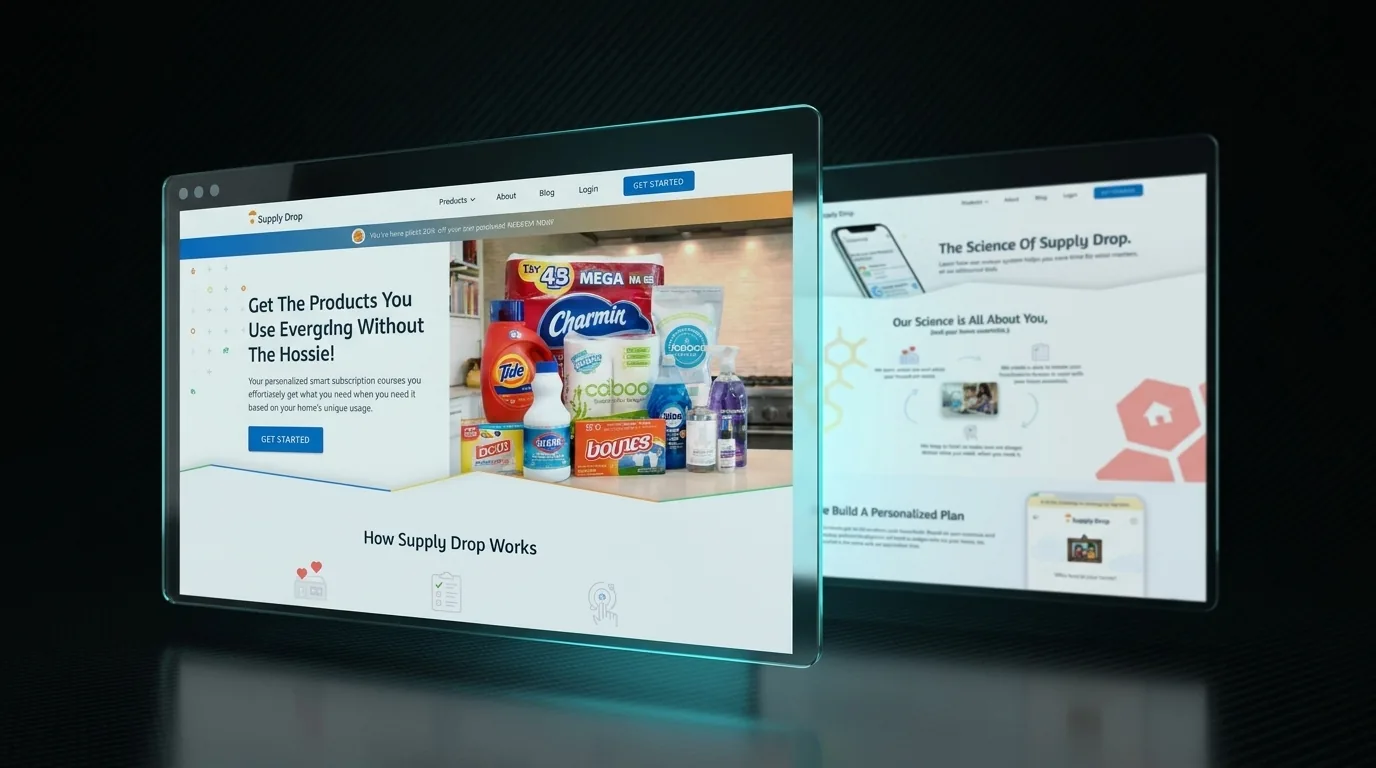
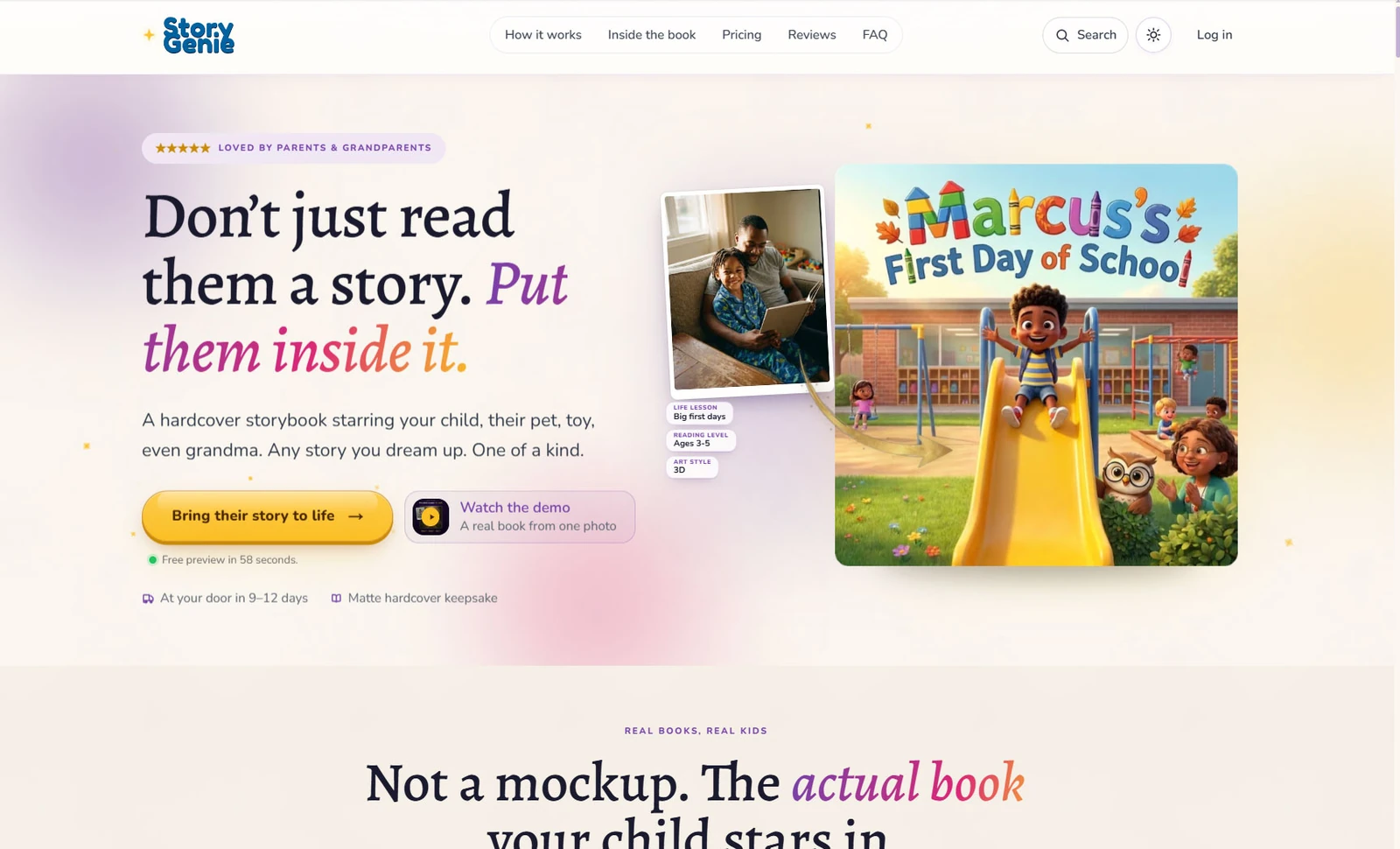
The proof runs deeper than client work. I lead a seven-person design team at a multi-billion-dollar apparel platform, designed a predictive subscription service at Supply Drop, and founded Story Genie, an AI-native product that is live and delivering today.
Questions worth asking in the first call.
Who exactly will do the work, and can I meet them? What did you ship in the last year, and what did it change? How do you scope a first engagement, and how small can it be? What happens when you're wrong? And who owns the files, the research, and the design system when we're done? Any firm worth hiring answers all five without flinching. I unpack these, plus what good answers sound like, in the questions I'd ask before signing.
I'd add one more for yourself: do you know what the problem is, or do you need someone to find it? If you need the problem found first, start with a diagnostic, not a build contract. It's cheaper, and it usually changes the brief.
Ways to work together.
Project design and build through Surf Studios (opens in new tab): your product, designed and delivered end to end. Consulting on a defined problem, see how I work. Ongoing fractional leadership. Or full-time, I'm open to Director and Head of Design roles, see my resume.
Where I work.
I'm based in Austin, Texas, and I work with teams anywhere; most engagements are remote with occasional on-sites. If you're looking locally, I keep a page for Austin design consulting too.
Common questions.
- What does a product design firm do?
- A product design firm designs digital or physical products for hire: research, UX, interface design, and often the build. It sells a team, a process, and accountability, which is right for big, defined projects with real deadlines.
- How much does a product design firm cost?
- It scales with seniority and overhead. Boutique firms typically price defined projects in the tens of thousands; large agencies charge more for the same hours because more people touch the account. Working directly with a senior consultant puts more of the bill into the actual design work.
- What is the difference between a product design firm and a product design agency?
- Mostly naming. "Agency" tends to signal a broader marketing-and-brand shop, "firm" or "studio" signals a focused design practice. Judge either by who does the work and what shipped, not the label.
- Should I hire a product design firm or a freelancer?
- A firm when the project is large and you want a managed team with accountability. A freelancer when you know exactly what to build and need hands. If you first need someone senior to figure out what to do, that is consultant work.
- How do I evaluate a product design firm?
- Meet the people who will actually be in the files, ask what their recent work changed in the numbers, insist on a small first scope, and ask who owns the files and design system when it's done.
- Are small product design firms better than big ones?
- Not universally, but the economics favor them: more of your bill goes to the people doing the design. Big firms earn their overhead on large programs that genuinely need process and staffing depth.
- Do you run a product design firm?
- Yes, Surf Studios, deliberately kept small: the senior person who scopes your project is the one who designs and builds it. For a defined problem I also work solo as a design consultant.
- How do we start?
- Send me a note on the contact page and I will come back to you with times. Tell me what you are building and what kind of help you think you need, and I will tell you which shape fits.
Tell me what you're building. If a firm is the right call, I'll say so. If it isn't, I'll tell you what I'd do instead, and either way you'll hear back from me, not an assistant.
Tell me about your project