Design consulting
A design consultant who finds the real problem, then builds the fix.
I'm Devin Pickering, a design consultant and design leader. For eighteen years I've designed and shipped products for startups, the Fortune 500, and companies I've founded, and I still do the work myself: the research, the design, and the front-end build. If something about your product, your brand, or your design team is underperforming and you want senior judgment that ends in shipped work rather than a deck, that's what I do.
Selected work
What a design consultant should actually do.
The title gets used loosely, so let me define the job by its ending: a design consultant is hired judgment that finishes in shipped work. You bring one in when a metric is stuck, a product has grown confusing, a brand undersells the business, or a team needs direction, and you want someone senior to find the real problem, say it plainly, and fix it.
An audit and a recommendations deck are a fine start, but I don’t stop there, because advice that never touches the product is just opinion. I diagnose, I set direction, and then I design and build the fix, or work shoulder to shoulder with your team while they do. You should judge a design consultant by what shipped, and that's how I ask to be judged.
What I consult on.
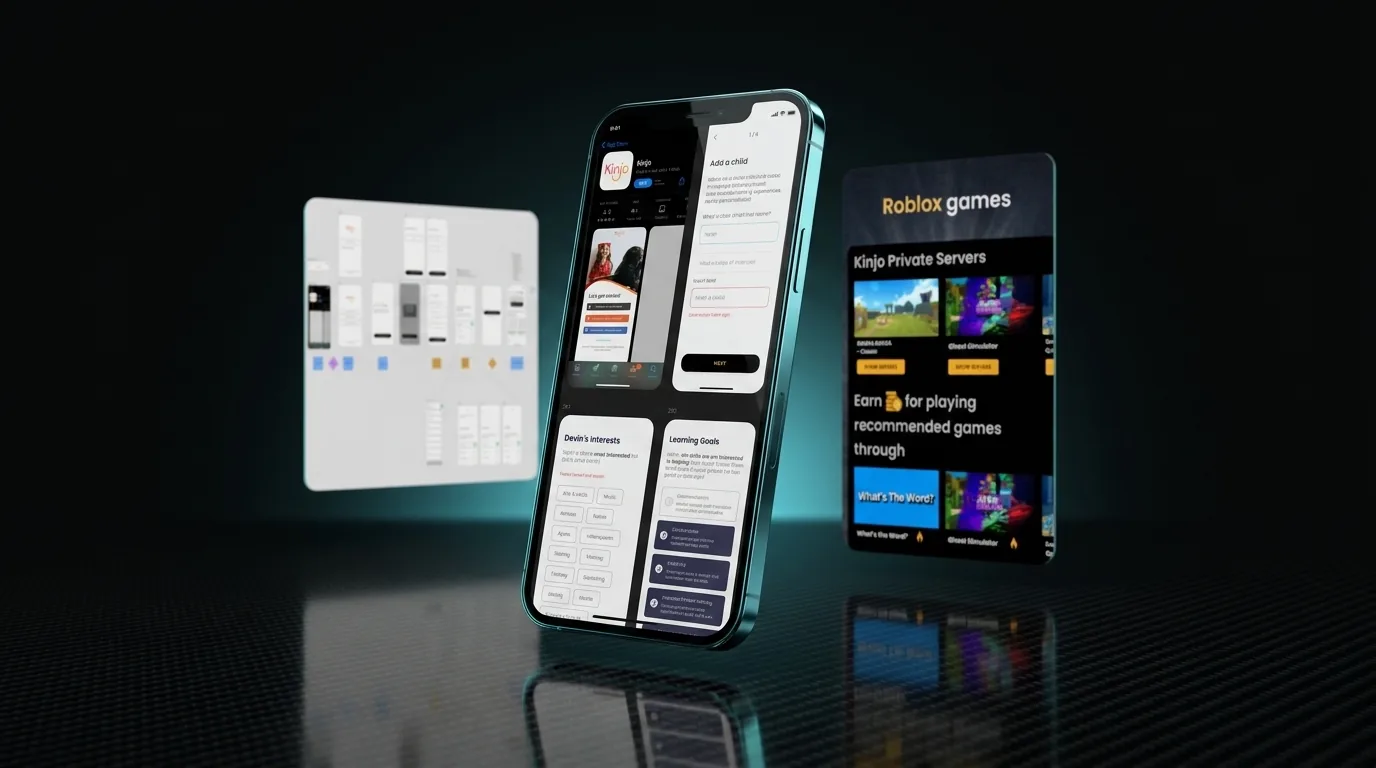
Product and UX consulting: research, flows, design systems, and delivered interfaces. When sign-ups stall or users churn, I find out why, redesign the path, and measure whether it worked. If you searched for a UX consultant, this is that work.
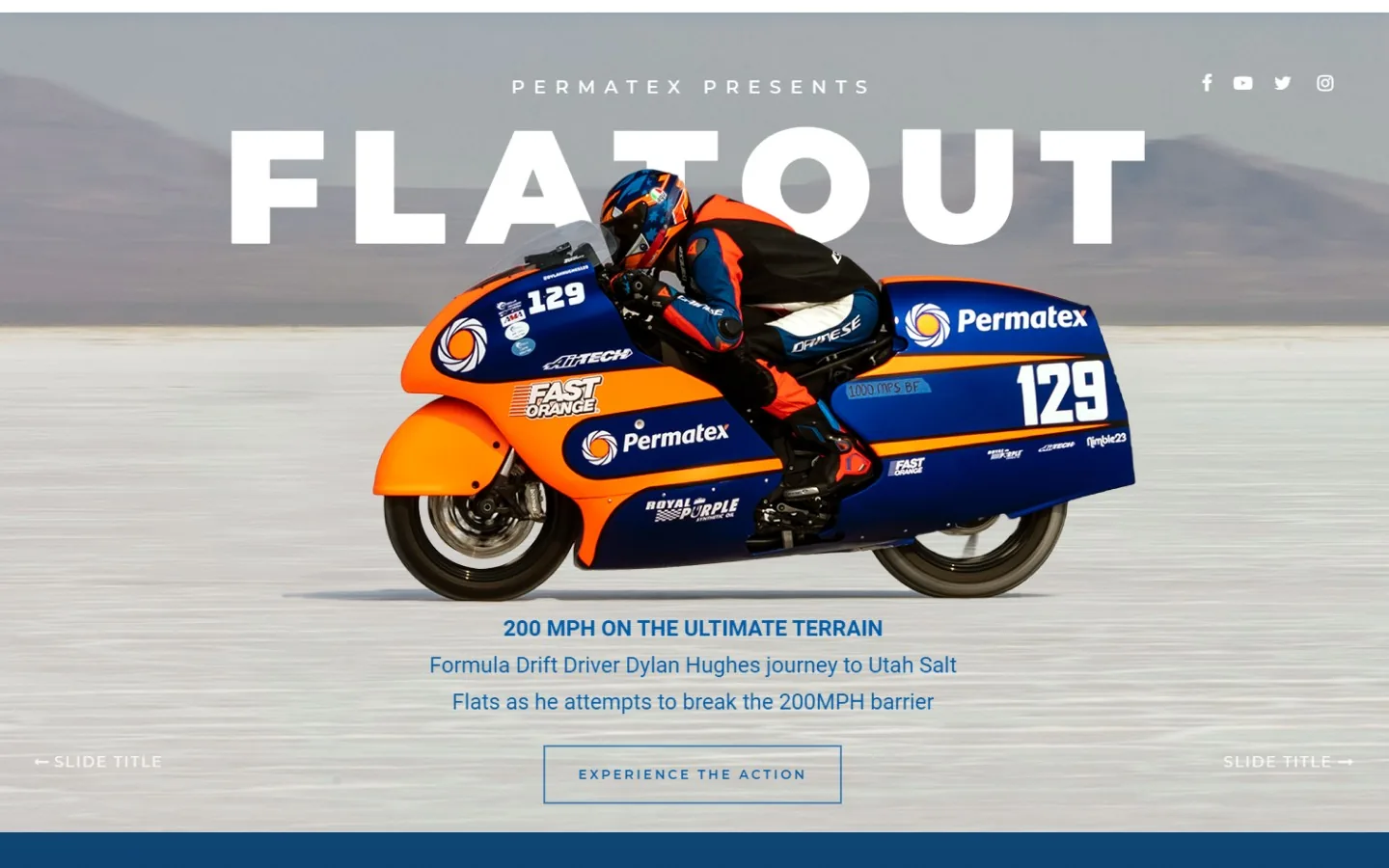
Brand and marketing sites: I've designed and launched sites for national brands end to end, the design and the build in the same hands, see my agency work.
Design leadership and teams: strategy, hiring, mentoring, and the craft bar, as a consultant or embedded part-time as a fractional head of design.
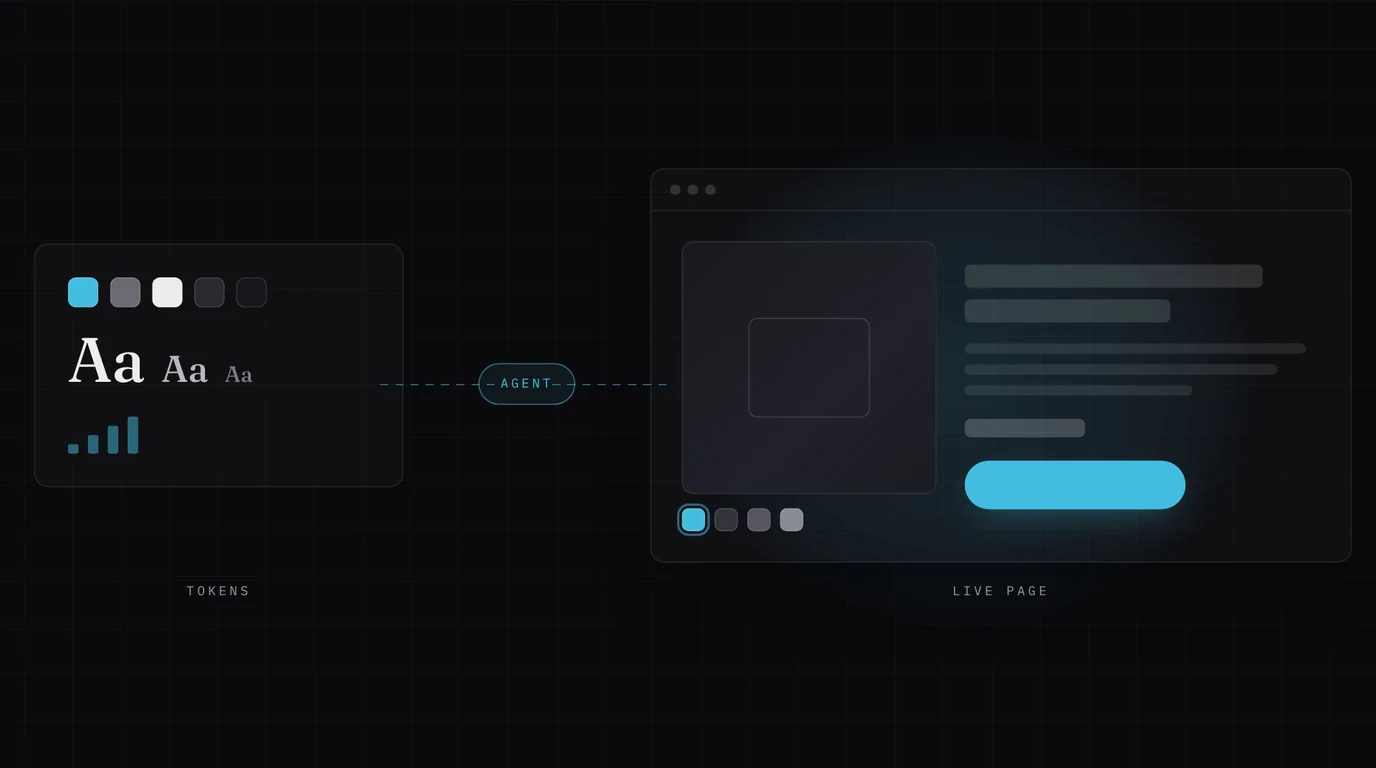
And AI-first design, my differentiator: I've taken the design org at a multi-billion-dollar company AI-first and founded an AI-native company, and I help teams make AI genuinely useful without losing the craft, more on my AI design consulting page.
Consultant, agency, or full-time hire.
An agency sells a team and a process, which is right for big, defined projects and priced accordingly, with account managers between you and the people doing the work. A freelancer sells hands, right when you already know exactly what to build. A full-time hire is right once design is a daily, permanent need. A design consultant sits in the gap those three leave: senior judgment applied part-time, with owned outcomes, without agency overhead or a hire's commitment.
I'll tell you which one you need, even when the answer isn't me. If you're weighing design leadership specifically, start with the hiring overview or go straight to fractional. And if you're comparing firms, I wrote a straight guide to choosing a product design firm.
Advice that never touches the product is just opinion with a logo on it.
How an engagement works.
We start with a short diagnostic: I read your analytics, your research, and your product, talk to your team, and come back with what's actually wrong, which is often not what the brief said, and the order I'd fix it in. Then a focused first project, one flow, one surface, one problem, scoped in weeks, so you judge the work instead of the promise.
From there, engagements settle into project pricing for defined work or a monthly retainer for ongoing product and leadership help. I keep the first scope small and visible on purpose: it should be small enough that whether it worked shows up in your numbers.
Scope the first project in five lines
- Name the metricOne number that is wrong today: sign-up rate, checkout completion, activation, support volume.
- Pick one surfaceThe flow where that number lives. Not the app, the flow.
- Cap it in weeksTwo to eight. If the problem cannot fit, it is not scoped yet.
- Define done as the number movingNot as deliverables shipped. Agree how and when you will measure.
- Agree who ships itDesign that stops at handoff leaks value. Decide up front who builds, and by when.
Bring these five lines filled in and any senior consultant, me included, can give you an accurate scope and price in one call.
Proof, not promises.
For Evercoat, the ask was a better version of the spreadsheet its sales reps used in the shop. The real problem was that every rep needed the latest copy. I recommended a sales tool on a site they already ran, then designed and built it: one source of truth, a guided conversation instead of a form, and a report the shop manager downloads and signs off on. Proposals got easier, and reps and prospects have given it strong feedback. I took over a stalled paid-social launch and drove a hundred-plus paying subscribers in the first week at Supply Drop.
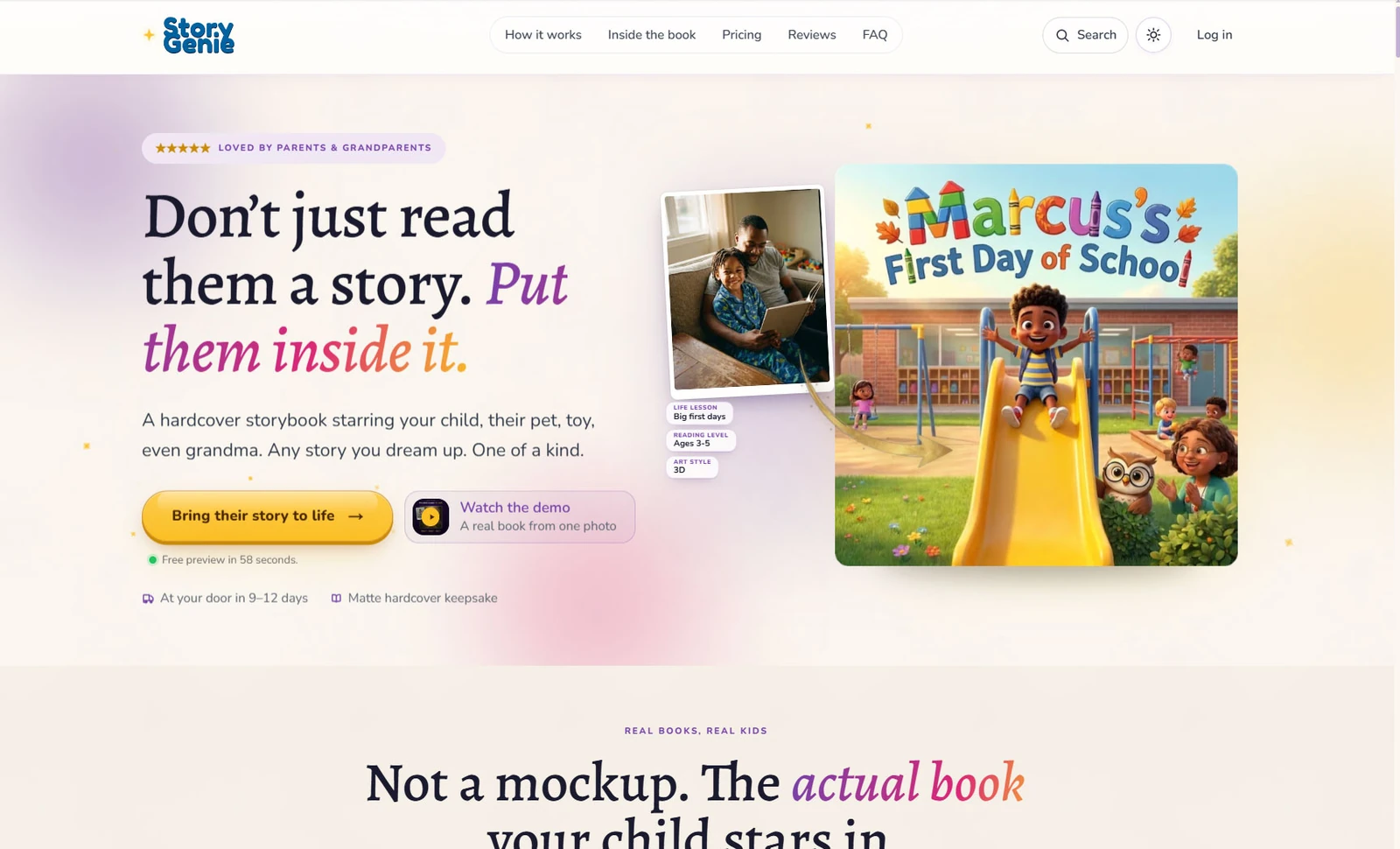
I founded Story Genie, an AI-native company where agents write and illustrate personalized hardcover children's books, live and delivering today. And through my agency, Surf Studios (opens in new tab), I've delivered brands and products end to end for clients across North America. What the people behind those projects say is on the kind words page.
What I will not do.
I won't sell you a rebrand when the checkout is the problem, or a research phase when the answer is already sitting in your analytics. I won't hand you a strategy deck and disappear. And I won't pad the engagement: if the fix is two weeks of work, I'll tell you it's two weeks of work.
I'd rather solve the problem and have you come back with the next one than stretch this one. Consultants earn trust by ending engagements well. I’ve had retainer clients since 2020.
Ways to work together.
Project consulting through Surf Studios (opens in new tab): a defined problem, diagnosed, designed, and fixed. Ongoing fractional leadership, see how that works. Or full-time, I'm open to Director and Head of Design roles, see my resume.
Where I work.
I'm based in Austin, Texas, and I work with teams anywhere; most engagements are remote with occasional on-sites. If you're local, I keep a page for Austin design consulting too.
Common questions.
- What does a design consultant do?
- A design consultant brings senior judgment to a specific problem: diagnosing why a product, brand, or team is underperforming, setting direction, and fixing it. The good ones finish in shipped work, not a recommendations deck.
- What is the difference between a design consultant and a design agency?
- An agency sells a team and a process for big, defined projects. A consultant is one senior person applying judgment part-time, faster to start, cheaper to run, and better suited to figuring out what to do, not just producing it.
- Are you a UX consultant?
- Yes. Product and UX consulting is the core of my practice: research, flows, design systems, and delivered interfaces, measured against the metric they were meant to move.
- What does a design consultant cost?
- It depends on scope and seniority. I price defined projects as projects and ongoing work as a monthly retainer, and I scope the first engagement small enough that you can see whether it paid for itself in the numbers.
- Do you implement, or just advise?
- Both, and that's the point. I diagnose and set direction, then design and build the fix myself, including the front-end, or work alongside your team while they do.
- Do you consult remotely?
- Yes. I'm in Austin, Texas, and most engagements are remote with occasional on-sites. Location has never been what determines whether the work lands.
- How long does a design consulting engagement last?
- The first project is usually two to eight weeks. If the work is landing, many clients move to a monthly retainer or a fractional leadership arrangement.
- How do we start?
- Send me a note on the contact page and I will come back to you with times. Tell me what you are building and where it is stuck.
Tell me what you're building and where design is letting it down. I answer everything, and you'll hear back from me, not an assistant.
Tell me about your project