A field guide
How to build a design team that delivers, and scale it without breaking it.
Building a design team is one of the highest-leverage and most-bungled things a company does. I’ve managed product design teams for seven years. Most recently I grew one from a single inherited designer to seven: a senior UX lead who manages a junior designer, three senior UI designers, a UX designer, and a UX researcher, in a research practice I founded. Across my career I’ve led and mentored 20+ designers, and many now hold lead and principal roles. Here's how I'd think about building yours, and where most teams go wrong.
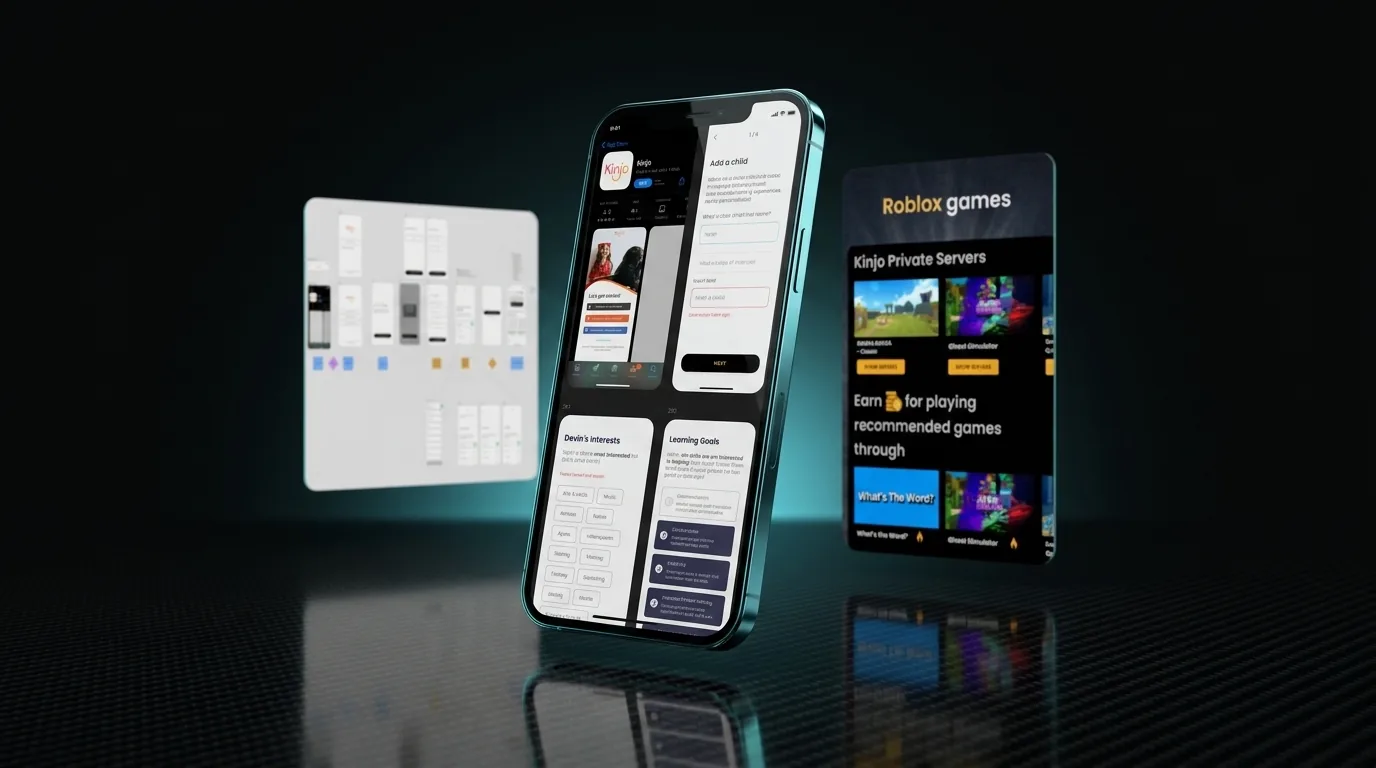
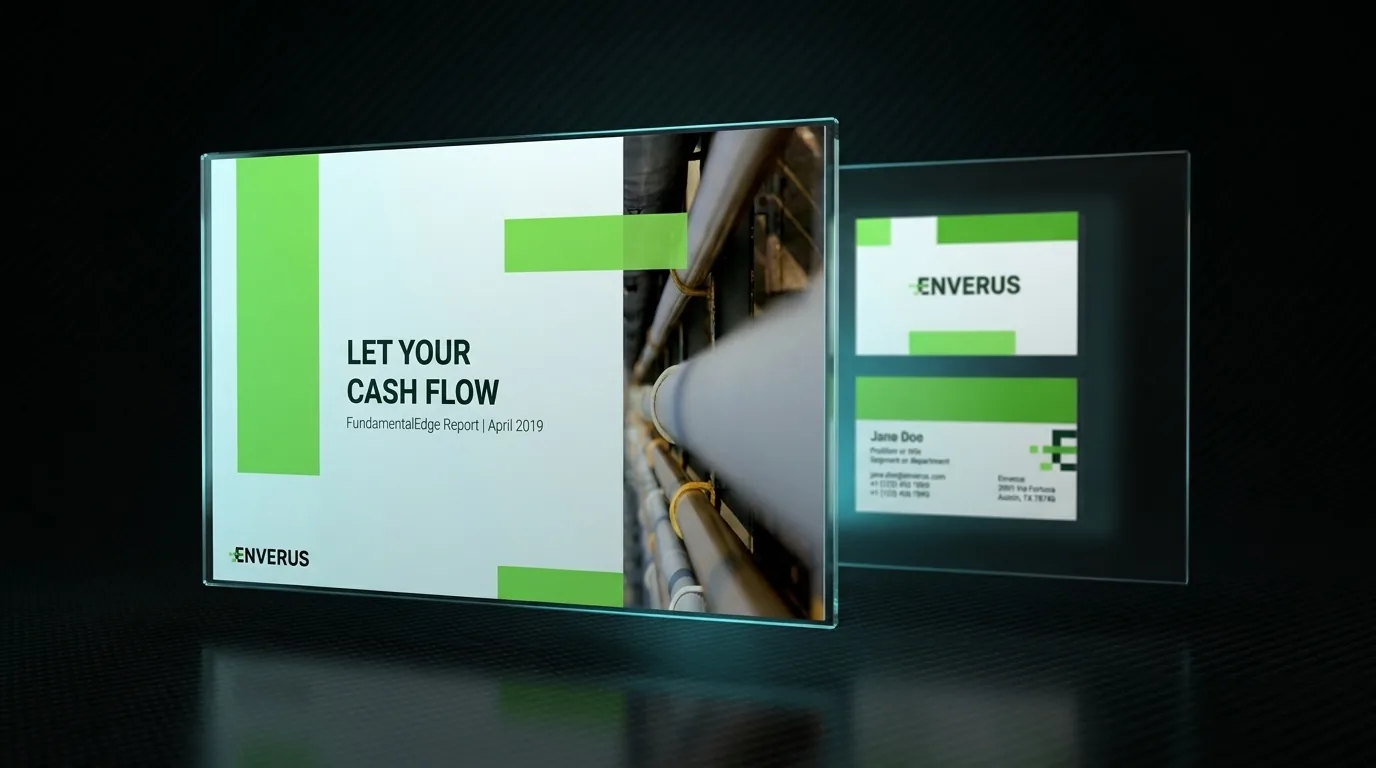
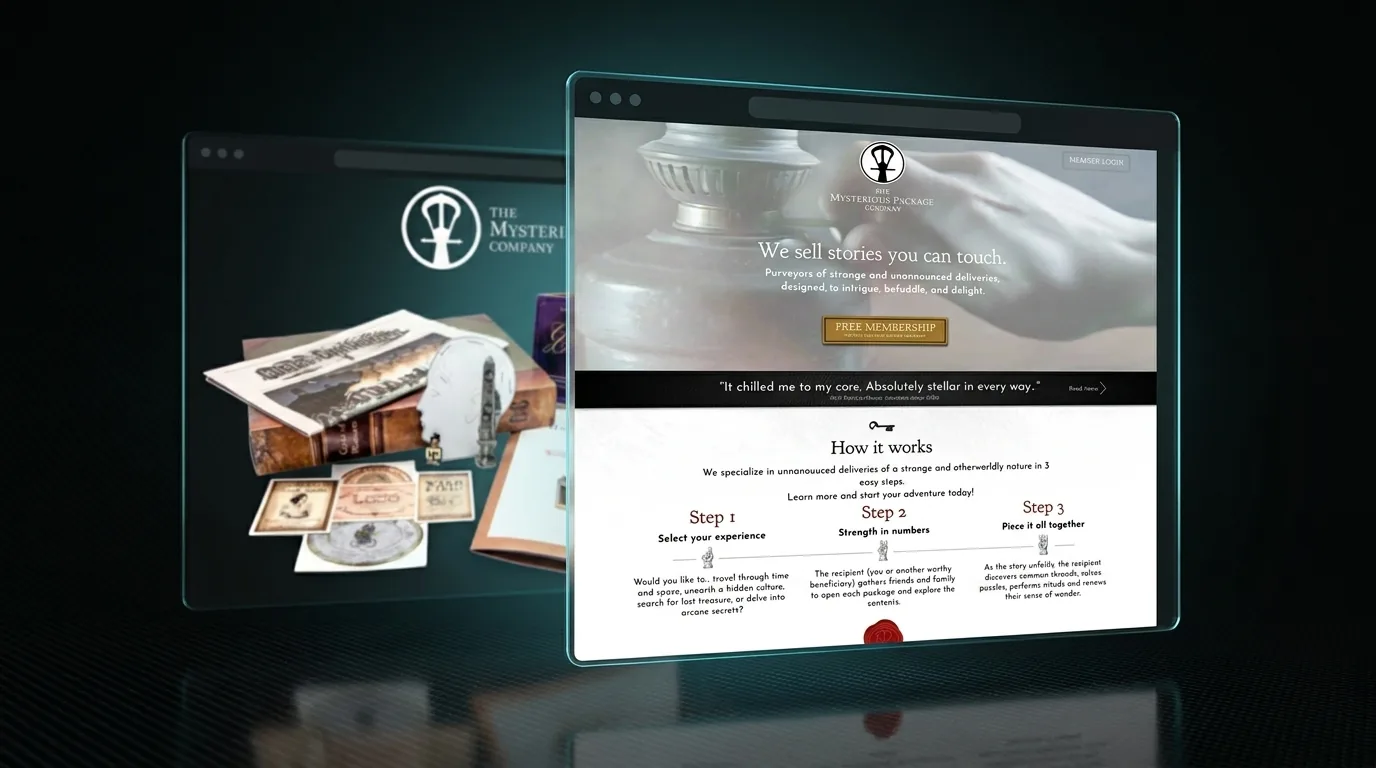
Selected work
How to hire designers who are actually good.
Hiring designers is hard because portfolios are optimized to impress, not to predict. For a single role I look at a hundred or more portfolios and interview about ten people, around 150 interviews across my career, so this comes from a lot of reps. Look past the polish for evidence of judgment: ask a candidate to walk you through a project where they changed direction based on what they learned, or released something imperfect on purpose because it was the right call. Have them critique real work, yours or a competitor's, so you can see how they think, not just what they make.
Weight communication heavily, because a designer who can't explain their reasoning will struggle to align a team no matter how good their pixels are. Pretty is everywhere now, especially with AI in the mix. Judgment and clear thinking are what you're actually buying, and they're far rarer.
When to add design management.
A common mistake is adding a design manager too early, before there's really a team to manage, or too late, when your senior designers are quietly drowning in coordination. The rough rule: until around six designers, a strong lead who still does the work is usually enough. Past that, the coordination, hiring, and growth load gets real, and you want someone whose actual job is the team, not just the work.
Protect against the trap of promoting your best designer into management by default. The skills are different, and you can lose a great maker to create a mediocre manager. Some of your strongest people should grow as senior individual contributors, not up an org chart they never wanted to climb. Good leaders make that path real instead of treating management as the only way up.
Why most companies get this wrong.
Building a design team looks simple, post a job, hire some designers, and the work gets better. It rarely goes that way. Most companies hire the wrong first designer, add specialists before they have the volume to justify them, wall design off from the people it needs to work with, and then wonder why the output looks busy but the product isn't improving.
The teams that get it right treat design as a function to lead, not a queue of tickets to staff. They hire for judgment and real outcomes, keep designers close to product and engineering, and bring in leadership before the team drifts rather than after. None of this is complicated, but almost all of it is counterintuitive if you've never built a design org before.
Be careful what you measure. Design teams become what you reward.
The first ninety days of a new design team.
If you're standing up design for the first time, the first ninety days set the tone. Start by getting your one strong generalist embedded with product and engineering and building something real, fast, so design earns credibility through results rather than process. Resist the urge to build elaborate rituals and documentation before there's anything to show for them.
Use those first wins to establish how design works with the rest of the company: when it gets involved, how decisions get made, and what good looks like. Get the lightweight version of a design system going early, even if it's just a few shared components and rules, because it’s far cheaper to start one than to retrofit one later. At The Mysterious Package Company, a small design system cut our decision time from one to two weeks to under two days. Then, and only then, start thinking about specialists and structure.
Design team metrics that actually matter.
Be careful what you measure, because design teams become what you reward. Counting screens delivered or tickets closed produces a team that churns out a lot of mediocre work. Instead, tie design to outcomes: the conversion or retention or activation metric the work was meant to move, the quality bar (does the work hold up, does it go out without constant rework), and the team's health (are people growing, are they aligned, are they staying).
The best signal that a design team is working is boringly simple: the product keeps getting better, the team delivers with evidence instead of opinion, and your strongest designers don't leave. If those three are true, the structure is probably right. If they're not, no org chart will save you.
Your first design hire.
The first designer sets the ceiling for everything that comes after. Hire a strong generalist who can do the work and has the judgment to set direction, not a narrow specialist for a problem you don't have yet. Look for someone who delivers, communicates plainly, and can disagree well.
The most common mistake is hiring for a portfolio of pretty screens instead of evidence of delivered outcomes and good judgment. Pretty is cheap. Delivered and effective is rare.
When to hire designers, and when not to.
Hire when design is genuinely the bottleneck, not before. Early on, one strong generalist beats three specialists. Add specialists, research, design systems, content, only when the volume and complexity actually demand them.
The hiring sequence
- Hire one strong generalistA maker with judgment who can set direction, embedded with product and engineering from day one.
- Embed, do not siloIn the standups, owning outcomes, never a service desk that tickets come to.
- Invest in the system earlyA design system at two or three designers is cheap. At eight it is a rescue project.
- Add specialists at six to eightResearch, systems, content, once volume genuinely demands the depth.
- Add leadership when direction is the gapProducing fast but not getting better means you need a leader, not more hands.
Each step earns the next, and teams built in this order compound: every hire lands on a foundation that multiplies what they can do.
Watch for the signal that you need a leader, not just more hands: when designers are producing quickly but the work isn't getting better or more aligned, that's a direction problem, and more headcount will only make it worse.
A design org structure that scales.
Keep design close to the problem. Embed designers with product and engineering rather than walling them off in a service team that takes tickets. As you grow, a design system and clear craft standards are what let you add people without losing coherence.
The roles tend to arrive in this order: a generalist product designer, then a design lead, then specialists (UX research, design systems, content and UX writing), then dedicated management once the team crosses roughly six to eight people. Resist adding the later roles before the earlier ones have earned them.
What good design leadership actually does.
Sets a bar and helps people rise to it without bulldozing. Hires and grows senior talent. Builds the system so the team moves fast without drifting. Runs growth as a design problem and measures. And increasingly, leads the team through AI, see why that matters now.
A leader who can still do the work earns more trust and makes better calls than one who only reviews it. That is the kind of leadership I bring, more on hiring a design leader.
The mistakes I see most often.
Hiring specialists too early. Treating research and judgment as luxuries you'll get to later. Walling design off from product and engineering. Confusing output, screens delivered, with outcomes, the metric actually moving. And waiting too long to bring in design leadership, so a talented team quietly drifts for a year before anyone notices.
If you would rather not do it alone.
Building and leading a design team is exactly what I do, full-time, or as your fractional head of design through Surf Studios. If you're standing up or scaling a team and want someone who has done it before, I’m glad to help. If you have one strong designer and design isn’t the bottleneck yet, you don’t need me yet. Come back when the work is fast but not getting better.
Common questions.
- How do I build a design team from scratch?
- Start with one strong generalist product designer who delivers and has judgment, keep them close to product and engineering, and add specialists and leadership only as volume and complexity demand.
- Who should my first design hire be?
- A generalist product designer who can both do the work and set direction, hired for real outcomes and judgment rather than a pretty portfolio.
- When should I hire a design leader?
- When designers are producing fast but the work isn't getting better or more aligned. That's a direction problem, not a headcount problem.
- How do you structure a design team?
- Embed designers with product and engineering, invest in a design system as you grow, and add specialist roles (research, systems, content) and management as you cross roughly six to eight people.
- What are the most common design-team-building mistakes?
- Hiring specialists too early, treating research as a luxury, isolating design from product and engineering, measuring output instead of outcomes, and bringing in leadership too late.
- How many designers should a startup have?
- Fewer than you think. Until design is genuinely the bottleneck, one strong generalist usually beats three specialists. Add people only as volume and complexity demand.
- Should I promote my best designer to manager?
- Not by default. Management is a different skill, and you can lose a great maker to create a mediocre manager. Offer a senior individual-contributor path too.
- Can you help us build our design team?
- Yes, that's what I do, full-time or fractionally through Surf Studios. Book a call and tell me where you are.
If you're standing up or scaling a design team and want a hand, that's exactly what I do. Tell me where you are and let's talk.
Tell me about your project